
Table of Contents
A Nigerian legal regulations database matters because it centralises scattered laws, statutes, and compliance requirements into one searchable platform, saving businesses and lawyers significant time, reducing compliance risk, and making legal information accessible to everyone, not just large firms with expensive subscriptions.
Why Nigeria’s Legal Landscape Needs a Central Regulations Database
Ask any compliance officer in Lagos how long it takes to confirm whether a specific regulation has been amended, and you’ll often get a tired laugh before an answer. Nigerian law is spread across federal statutes, state legislation, sector-specific circulars, and judicial pronouncements, frequently with no single, updated source to check them all.
This fragmentation isn’t just inconvenient; it’s genuinely risky. A business operating in banking, telecoms, or oil and gas can find itself out of compliance simply because a regulatory update didn’t reach the right desk in time, not because anyone was careless.
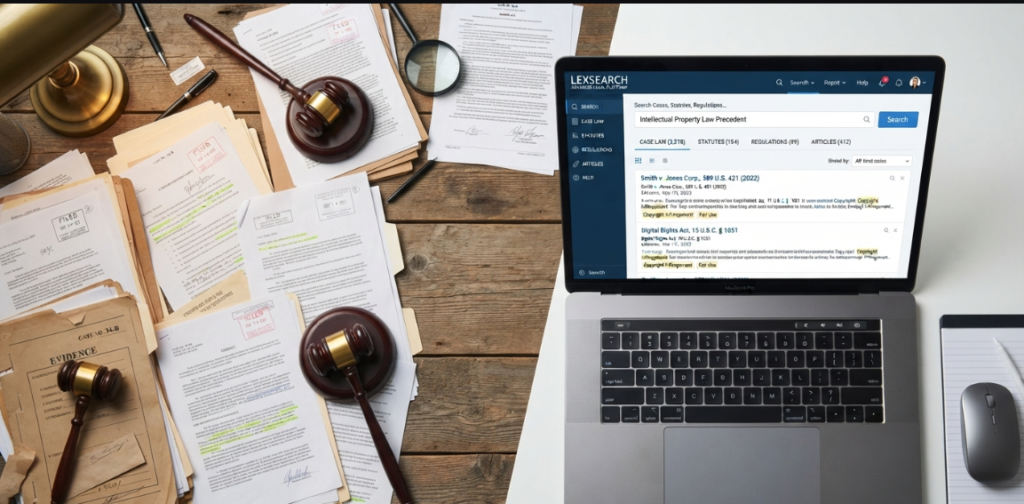
This is exactly the gap a Nigerian legal regulations database is designed to close. Instead of manually checking multiple government portals, physical gazettes, and outdated PDFs, a proper database brings laws, regulations, and updates into a single, searchable location.
For lawyers, compliance teams, and everyday business owners alike, having one trusted Nigerian legal regulations database to rely on turns what used to be a multi-day research task into something that takes minutes.
The Real Cost of Fragmented Legal Information
Nigeria’s regulatory environment is one of the most complex in Africa, spanning sectors like banking, data protection, oil and gas, and telecommunications, each with its own regulator, its own circulars, and its own update schedule.
For a mid-sized company without a large in-house legal team, keeping up with all of this manually is close to impossible. Compliance officers end up relying on outdated documents, industry rumours, or expensive external consultants just to answer basic regulatory questions.
The cost shows up in real, measurable ways. Businesses lose out on government contracts because they didn’t know a tender existed; companies get fined for non-compliance with regulations they genuinely didn’t know had changed; and lawyers bill extra hours simply tracking down source documents rather than analysing them.
Nigeria’s government tender market alone is estimated at roughly ₦10 trillion annually, yet a significant portion of eligible businesses never bid, largely because procurement opportunities are scattered across disconnected agency portals rather than one accessible source.

What a Good Nigerian Legal Regulations Database Should Offer
Not all legal databases are built the same way, and it helps to know what actually makes one useful rather than just impressive-sounding. A genuinely good Nigerian legal regulations database should offer a few non-negotiable features.
First, comprehensive coverage matters. It should include federal laws, state legislation, and sector-specific regulations, not just a narrow slice of commonly cited statutes. Gaps in coverage defeat the entire purpose of centralising information.
Second, the information has to be current. Laws and regulations in Nigeria change more often than many people realise, particularly around data protection, financial services, and tax. A database that isn’t regularly updated can be more dangerous than no database at all, because it creates false confidence.
Third, searchability is everything. A well-designed Nigerian legal regulations database should let users search by keyword, sector, or specific statute and return results quickly, without requiring advanced legal research training to use effectively.
Finally, accessibility for non-lawyers matters more than the legal industry often admits. Entrepreneurs, contractors, students, and everyday Nigerians frequently need to understand their legal rights or obligations, and a good platform should present that information in plain, understandable language, not just dense legal text.
How Businesses Use a Regulations Database for Compliance
Compliance teams across regulated industries rely on a Nigerian legal regulations database in fairly consistent ways, even though their sectors differ significantly.
In banking and financial services, compliance officers use these databases to track Central Bank of Nigeria circulars, anti-money laundering requirements, and licensing conditions, all of which can shift with little public warning.
In oil and gas, businesses use regulatory databases to stay current with environmental compliance rules, local content requirements, and licensing obligations under frameworks like the Petroleum Industry Act, where non-compliance carries serious financial and reputational consequences.
Smaller businesses and contractors use these platforms differently, often to identify government tenders they qualify for, understand procurement requirements, and confirm the specific regulatory approvals needed before bidding on public contracts.
Law firms, meanwhile, use a centralised Nigerian legal regulations database to speed up client advisory work, cross-checking multiple regulatory frameworks quickly instead of manually searching through separate agency websites for each one.

The Role of AI in Modern Legal Research
Artificial intelligence has quietly become one of the most useful additions to legal research in Nigeria, and it’s changing how quickly people can find accurate answers to complex regulatory questions.
Rather than manually searching through hundreds of pages of statutes, AI-assisted tools can interpret a plain-language question and surface the most relevant sections of law or regulation almost instantly, saving hours of manual cross-referencing.
This is particularly valuable within a Nigerian legal regulations database, where AI can help flag when a regulation has been amended, highlight related provisions a user might have missed, and even summarise dense legal text into plain, understandable language.
Platforms like Lexark combine laws, regulations, and government tender information with AI-assisted search specifically for this reason, making legal research faster and more accurate for lawyers and non-lawyers alike. You can read more about how automation is reshaping legal workflows in our article on how lawyers can automate legal research.
Adoption of AI in Nigerian legal practice is still relatively early compared to more mature legal markets, which means businesses and law firms that adopt these tools now are positioning themselves ahead of the curve rather than catching up later.
How to Choose the Right Database for Your Needs
With more legal technology options entering the Nigerian market, choosing the right platform matters more than simply picking the first one you find.
Start by checking coverage depth. Ask whether the platform includes the specific sector regulations relevant to your business, whether that’s banking, telecoms, data protection, or public procurement, rather than assuming general coverage is enough.
Next, verify how often the database is updated. A reliable Nigerian legal regulations database should clearly indicate when laws and regulations were last reviewed or amended, giving users confidence that what they’re reading reflects current law.
Ease of use matters just as much as depth of content. If a platform requires extensive legal training to navigate, it defeats the purpose of making legal information accessible to business owners, students, and everyday Nigerians who aren’t lawyers.
Finally, consider whether the platform goes beyond laws and regulations to include related opportunities, such as government tenders, since businesses navigating compliance are often simultaneously looking for procurement opportunities within the same regulatory ecosystem.
The Bottom Line
Nigeria’s legal and regulatory environment isn’t getting simpler anytime soon, but access to it doesn’t have to remain complicated. A well-built Nigerian legal regulations database turns fragmented, hard-to-find information into something searchable, current, and usable by lawyers and everyday Nigerians alike.
The businesses and professionals who adapt to this shift early won’t just save time; they’ll make fewer costly compliance mistakes and catch opportunities others miss entirely.
Because in a regulatory landscape this complex, the real advantage isn’t working harder to find the law; it’s having it already in front of you.
Explore related reading on our blog: best legal research tools for Nigerian lawyers and Nigeria’s legal practice management software.